
Legal Documents to Check Before Buying a Flat
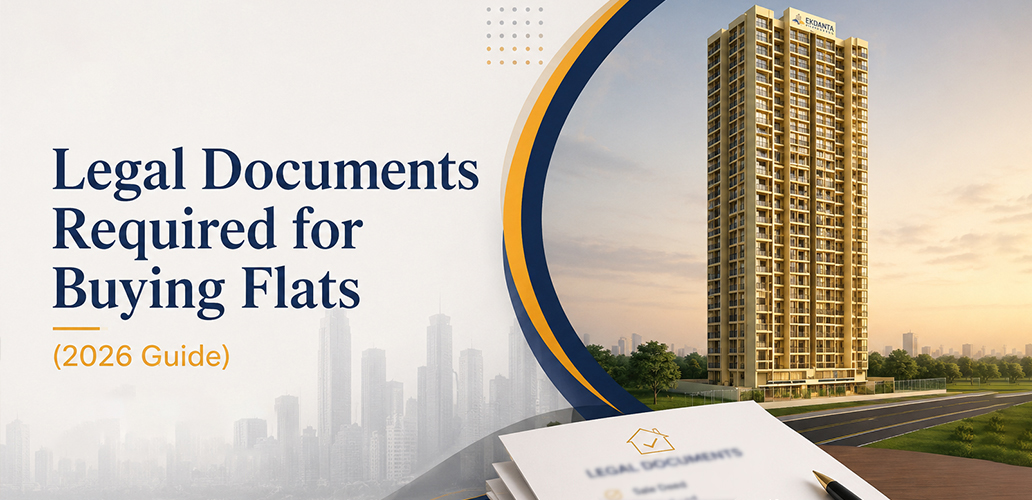
Before buying a flat, verifying the property’s legal documents is just as important as checking its location, price, and amenities. Whether you’re a first-time homebuyer or an investor, reviewing the right documents helps you avoid legal disputes, financial risks, and delays in possession. This guide explains the essential legal documents to check before buying a flat and why each one matters.
Why is Legal Verification Important Before Buying a Flat?
Before finalizing any property, verifying legal documents ensures:
- Clear ownership of the property
- No legal disputes or liabilities
- Compliance with government regulations
- Safe and transparent property transactions
Skipping this step can lead to financial loss or future legal complications.
Property Documents to Check Before Buying a Flat
1. Title Deed
The Title Deed is first and foremost important documents. It confirms the legal ownership of the property and ensures that the seller has the right to sell it. This helps you verify a clear and marketable title, check for no disputes or claims, and understand the ownership history. This step helps avoid future complications when purchasing flats, especially during the early stages of a project.
2. Sale Agreement
The Agreement to Sale outlines all the terms and conditions between the buyer and the developer/seller. This agreement gives you a clear understanding of the final property cost, payment schedule, possession date, and penalty clauses. It helps you understand all commitments before signing any documents.
3. RERA Registration Details
Under the Real Estate (Regulation and Development) Act, all ongoing projects must be registered with RERA. If a project is not RERA-approved, it is advisable to avoid investing in such properties. Every registered project has a RERA number, which proves that the project is approved and construction is in progress. This ensures transparency and protects buyers from fraud when purchasing property.
4. Commencement Certificate (CC)
The Commencement Certificate (CC) is issued by local authorities and allows the developer to begin construction. This is an important legal document that ensures the project plan is approved and provides permission to proceed with construction. Unless you check the project is CC received, investing in flats is not recommended.
5. Occupancy Certificate (OC)
The Occupancy Certificate (OC) is issued once construction is completed. It confirms that the building is safe for occupancy, complies with all regulations, and has essential amenities like water and electricity.
6. Building Approval Plan
This document shows that the project has been approved by the municipal authority. It includes the approved layout, floor plans, and compliance with regulations. It ensures that the building has all necessary approvals required to legally own a flat.
7. Encumbrance Certificate
The Encumbrance Certificate (EC) ensures that the property is free from any legal or financial liabilities. It verifies that there are no outstanding loans, legal dues, or transaction issues that may affect your purchase. While many buyers overlook this document, it is advisable to check it with your broker or developer before purchasing a flat.
8. NOC (No Objection Certificates)
Developers must obtain multiple NOCs from various authorities. Common NOCs include environmental clearance, fire safety approval, and approvals from water and electricity departments. These ensure that local authorities have no objections and that the project complies with all necessary regulations.
9. Allotment Letter
The Allotment Letter is issued by the builder once you book the flat. It clearly defines the unit details, payment plan, and additional charges. It also confirms that the property has been allotted to a particular buyer.
Choosing the Right Project Matters
Understanding the documents is important, but selecting a reliable project is equally essential for a hassle-free buying experience. Projects such as Rex Residency in Vartak Nagar, Thane offer a combination of legal transparency, strong construction progress, and modern living spaces. For buyers looking for 1 & 2 BHK flats in Thane, choosing a project that meets all legal and regulatory requirements is essential for long-term peace of mind.
Understanding the legal documents to check before buying a flat is crucial for making a safe and informed investment. From title verification and RERA registration to occupancy certificates and sale agreements, each document plays a vital role in ensuring your home purchase is legally secure and free from future risks. Whether you are a first-time homebuyer or an investor, verifying all the legal documents required for buying a flat will help you avoid potential risks, protect your investment, and make a confident property-buying decision.
